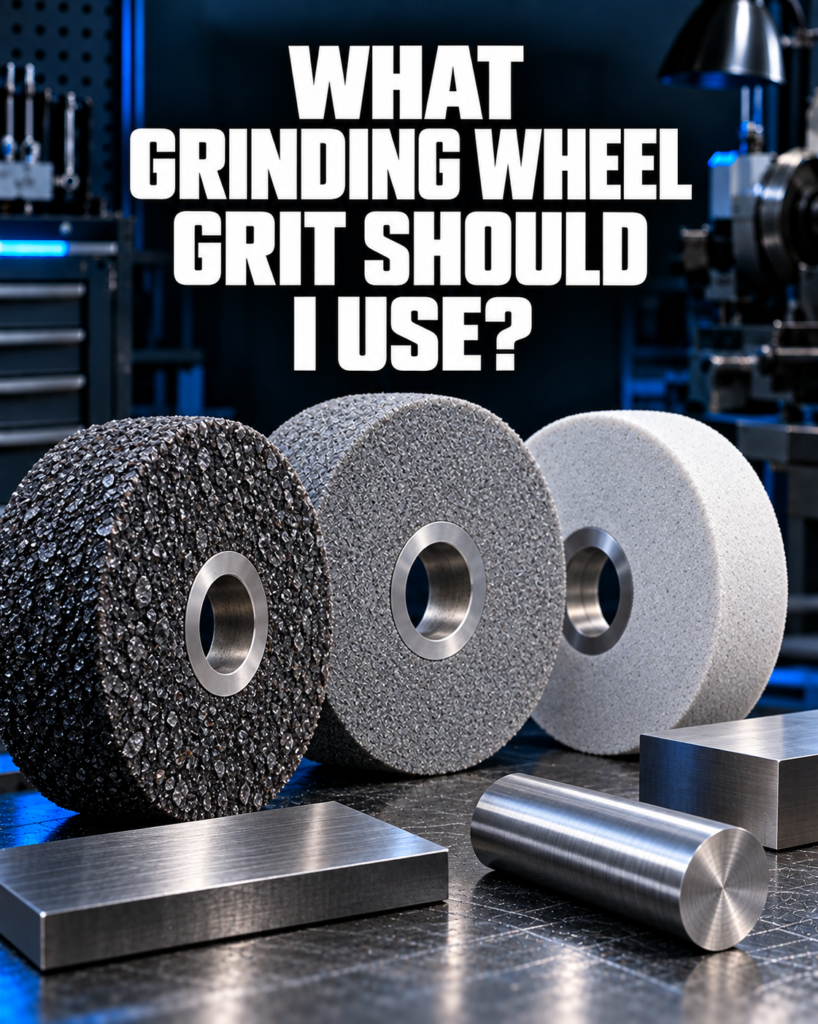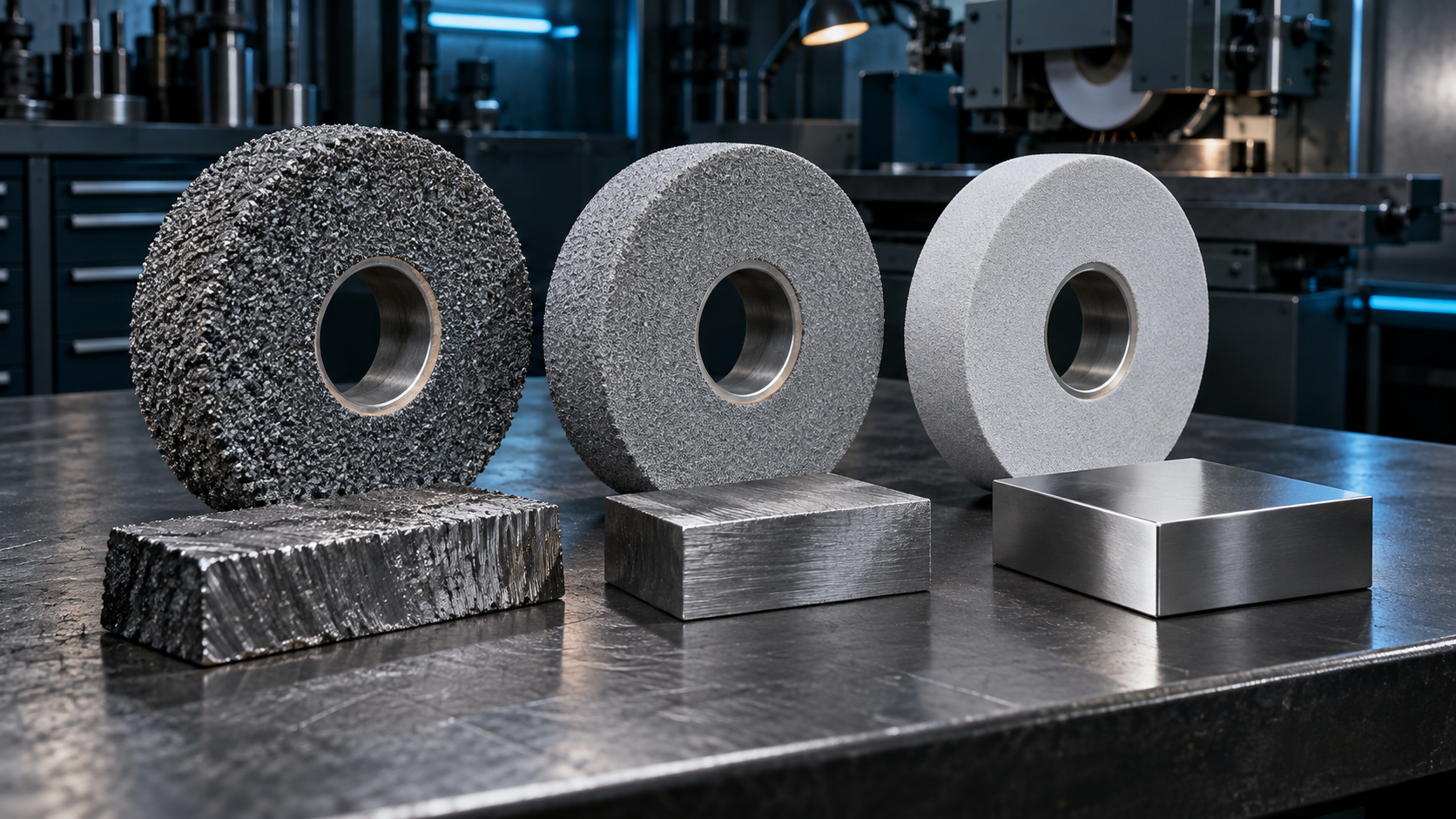
Choosing the correct grinding wheel grit can make a significant difference to material removal, surface finish and overall grinding performance.
The grit number indicates the size of the abrasive particles within the wheel. Lower numbers represent larger, coarser particles, while higher numbers indicate smaller, finer particles.
Coarse Grit: 10–24
Coarse grinding wheels remove material quickly and are best suited to demanding applications where surface finish is less important.
Typical uses include:
- Heavy stock removal
- Removing welds
- Cleaning rough castings
- Grinding damaged surfaces
- Shaping large components
Coarse wheels cut aggressively but leave deeper grinding marks on the workpiece.
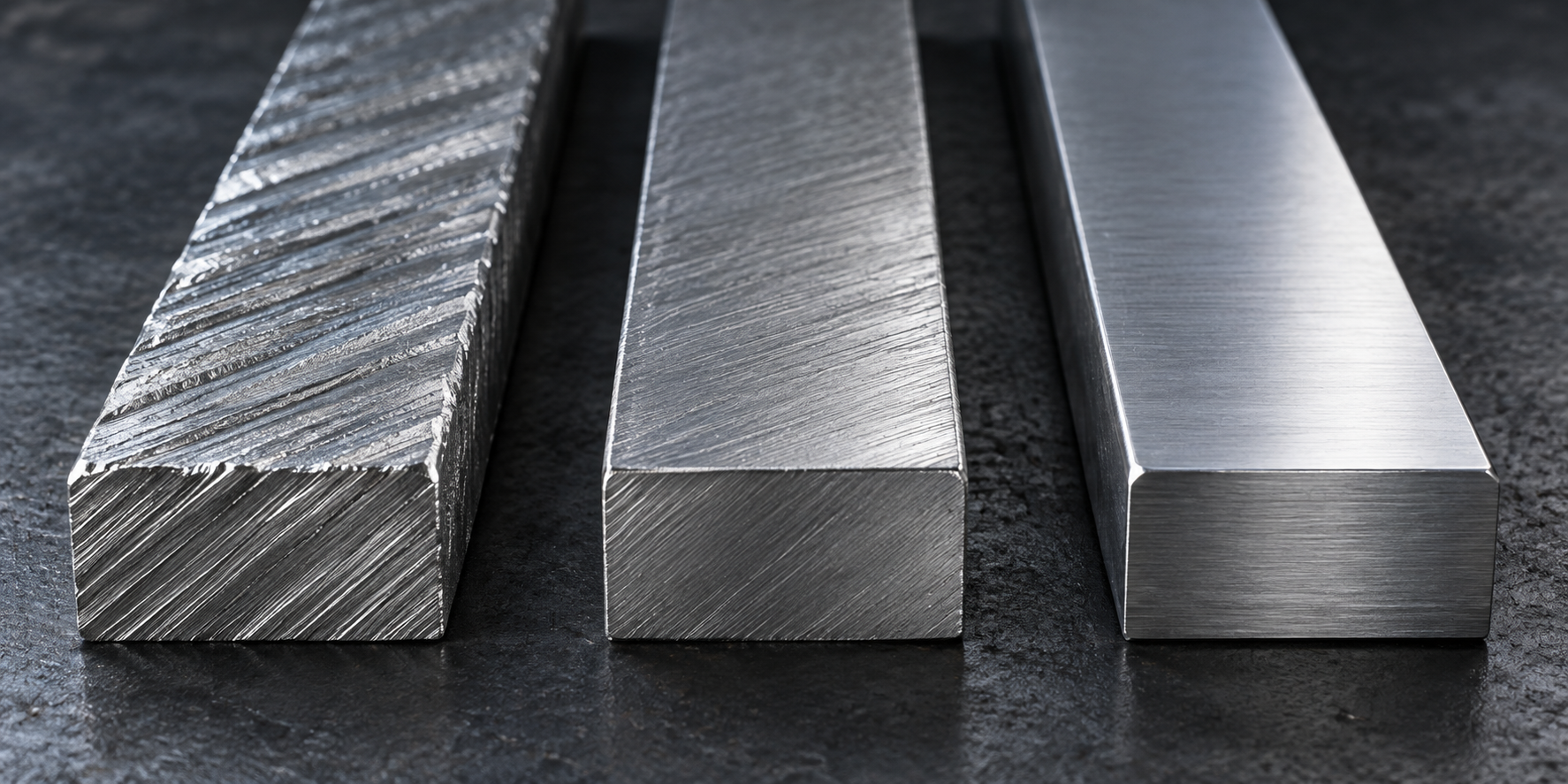
Medium Grit: 30–60
Medium grit wheels provide a useful balance between material removal and surface finish. They are commonly selected for general-purpose grinding.
Typical applications include:
- Tool sharpening
- General workshop grinding
- Removing moderate amounts of material
- Preparing surfaces for further finishing
- Grinding steel components
For many everyday applications, a medium grit is a practical starting point.
Fine Grit: 80–120
Fine grinding wheels remove less material with each pass but produce a smoother and more controlled finish.
They are commonly used for:
- Precision grinding
- Finishing operations
- Sharpening delicate cutting edges
- Removing light surface imperfections
- Preparing parts for polishing
Fine grit wheels are better suited to applications where accuracy and finish are more important than speed.
Very Fine Grit: 150 and Above
Very fine grit wheels are generally used for specialist finishing, toolroom and precision engineering applications.
They can produce a very smooth surface but are unsuitable for removing large amounts of material quickly.
Does the Material Affect the Grit Choice?
The workpiece material must also be considered. Harder materials often require a suitable wheel grade that releases worn grains and exposes fresh cutting edges. Softer or more ductile materials may clog the wheel if the wrong specification is selected.
Grit is therefore only one part of the specification. The abrasive type, wheel grade, structure and bond also affect grinding performance.
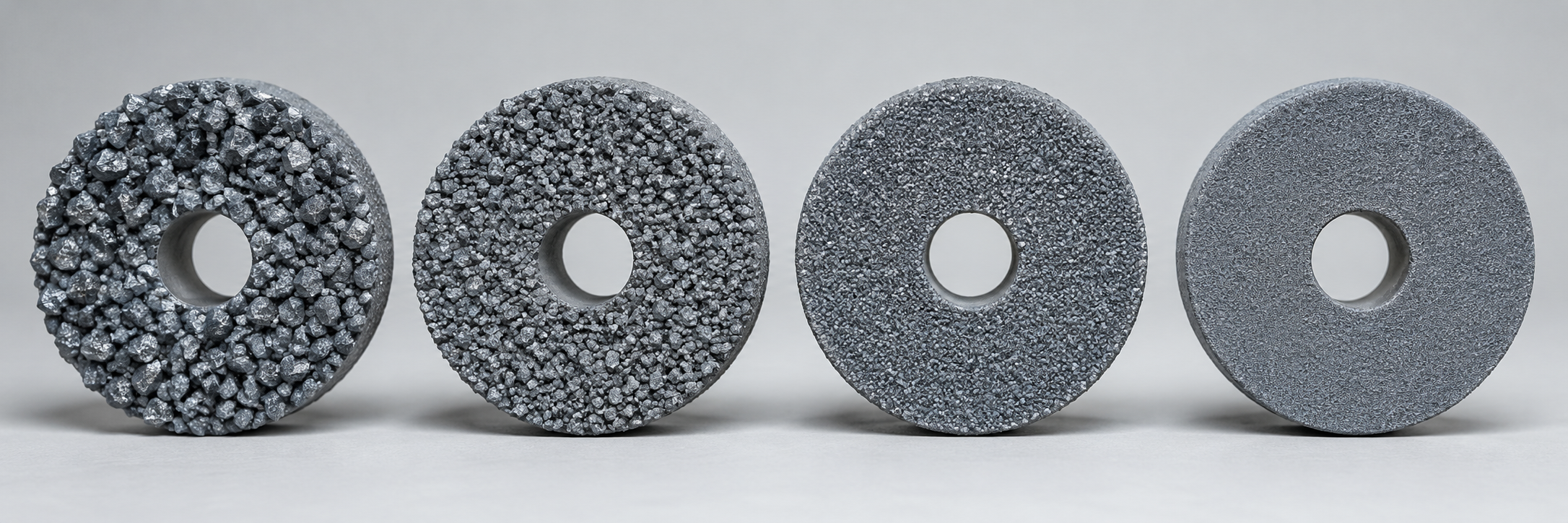
Quick Grinding Wheel Grit Guide
- 10–24 grit: Heavy and rapid material removal
- 30–60 grit: General-purpose grinding
- 80–120 grit: Smoother finishing and precision work
- 150+ grit: Specialist fine finishing
These ranges provide a useful guide, but the ideal grit depends on the material, machine, contact area and required finish.
Need Help Choosing the Correct Grit?
Using a wheel that is too coarse may remove excessive material and leave a rough finish. A wheel that is too fine may cut slowly, generate additional heat or become loaded.
If you are unsure which grinding wheel grit is right for your application, contact PBR Abrasives. Our experienced team can recommend the correct wheel specification for your material, machinery and required finish.