Choosing the correct grinding wheel is essential for achieving a clean finish, maintaining accuracy and working safely. With different materials, grit sizes and wheel grades available, selecting the right option can seem complicated. However, focusing on a few key factors will help you make the right choice.
Consider the Material Being Ground
The first consideration is the material you are working with.
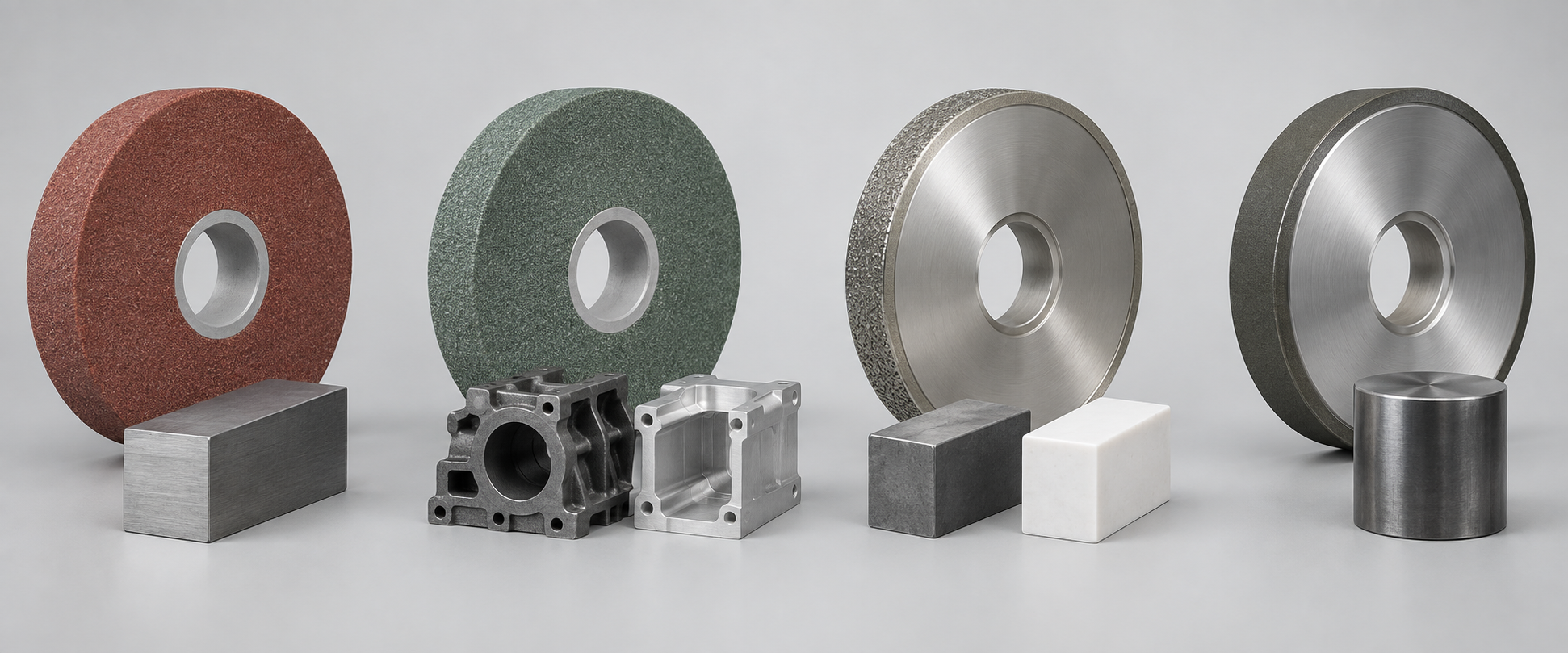
- Aluminium oxide wheels are commonly used for grinding steel and other ferrous metals.
- Silicon carbide wheels are better suited to cast iron, aluminium, brass and non-ferrous materials.
- Diamond wheels are ideal for extremely hard materials such as carbide, ceramics and glass.
- CBN wheels are commonly chosen for hardened steels and high-performance alloys.
Note: Using the wrong abrasive can result in poor cutting performance, excessive heat and premature wheel wear.
Select the Correct Grit Size
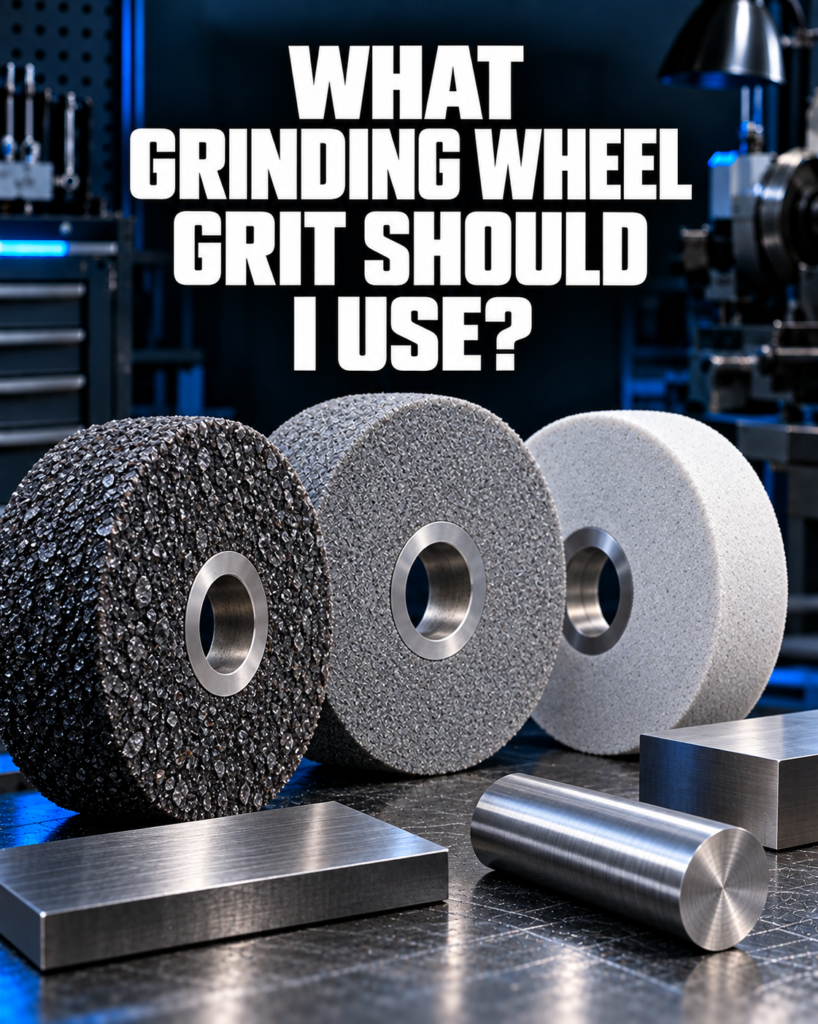
Grinding wheel grit determines the size of the abrasive particles.
- Coarse grits remove material quickly and are suitable for heavy stock removal.
- Medium grits provide a balance between material removal and surface finish.
- Fine grits are used for precision grinding and achieving a smoother finish.
Note: As a general rule, start with a coarser grit for heavy grinding and move to a finer grit when accuracy and finish are more important.
Choose the Appropriate Wheel Grade
The wheel grade refers to how strongly the abrasive particles are held together.
A softer-grade wheel releases worn abrasive particles more quickly, exposing fresh cutting edges. This is often beneficial when grinding harder materials. Harder-grade wheels retain their abrasive particles for longer and are generally more suitable for softer materials.
Check the Operating Speed
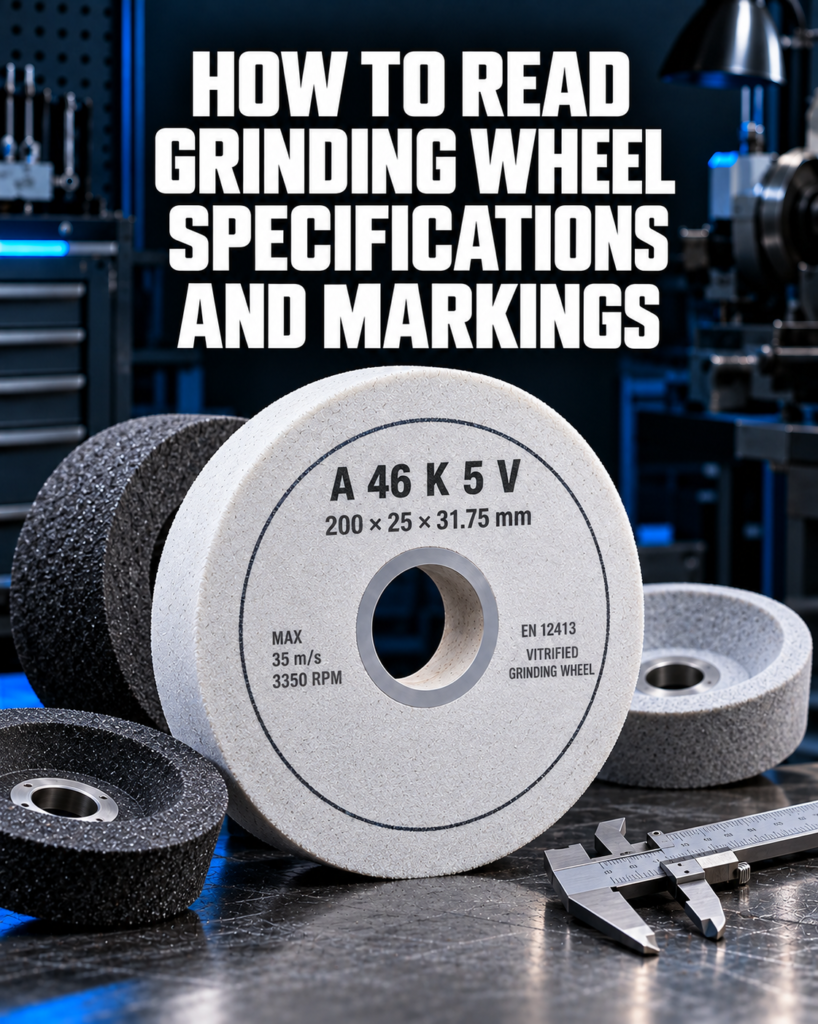
Always make sure the grinding wheel is suitable for the machine’s operating speed. The wheel’s maximum RPM must never be lower than the speed of the grinder.
Note: You should also check that the wheel’s dimensions, bore size and mounting requirements are compatible with your equipment.
Think About the Desired Finish
Your required finish will influence the wheel specification. Heavy stock removal will require a different wheel from precision surface grinding, sharpening or finishing work.
Consider whether your priority is:
- Fast material removal
- A smooth surface finish
- Dimensional accuracy
- Reduced heat generation
- Longer wheel life
Speak to an Abrasives Specialist
Selecting the right grinding wheel improves productivity, protects the workpiece and helps extend the life of your equipment. If you are unsure which wheel specification is right for your application, the experienced team at PBR Abrasives can recommend a suitable product based on your material, machine and required finish.
Contact PBR Abrasives today for expert advice on choosing the correct grinding wheel for your application.